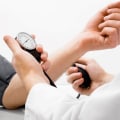
National Women's Health and Fitness Day is a vital observance that takes place annually on the last Wednesday of September. This day serves as a powerful reminder of the importance of health awareness among women, encouraging them to prioritize their physical, mental, and emotional well-being. Established in 2002, this initiative aims to raise awareness about women's health issues and promote the significance of regular physical activity. It is not merely a day of celebration but a call to action for women to take charge of their health.As we navigate through our busy lives, it can be easy to overlook our health needs.
National Women's Health and Fitness Day provides an opportunity for women to reflect on their health journeys and consider the steps they can take to improve their overall wellness. From participating in community events to engaging in fitness activities, this day highlights the diverse ways women can enhance their health. Local organizations often host workshops, exercise demonstrations, and health screenings, making it easier for women to access valuable resources and information.The significance of this day extends beyond just physical fitness; it encompasses mental and emotional health as well. Women face unique challenges that can impact their well-being, including stress from work, family responsibilities, and societal pressures.
By promoting health awareness , National Women's Health and Fitness Day encourages women to seek support, share their experiences, and foster a sense of community. This collective effort not only empowers individuals but also strengthens the fabric of society by prioritizing women's health.In essence, National Women's Health and Fitness Day is more than just an event; it is a movement aimed at inspiring women to embrace healthier lifestyles. By participating in this observance, women can take significant steps toward improving their health while also encouraging others to do the same. As we celebrate this important day, let us commit to making our health a priority every day of the year.
The History and Purpose of National Women's Health and Fitness Day
National Women's Health and Fitness Day, established in 2002, serves as a pivotal moment in the ongoing journey toward enhancing health awareness among women.This day was created to address the unique health challenges that women face and to promote a culture of fitness and well-being. The origins of this event can be traced back to a growing recognition of the need for targeted health initiatives that cater specifically to women, who have historically been underrepresented in health research and advocacy.The purpose of National Women's Health and Fitness Day extends beyond mere celebration; it aims to educate women about the importance of maintaining a healthy lifestyle. By organizing various activities such as health screenings, fitness demonstrations, and educational workshops, local organizations can engage women in their communities and provide them with valuable resources. These events not only foster a sense of community but also empower women to take charge of their health.Throughout history, women's health movements have evolved significantly.
In the 19th century, early advocates began to challenge societal norms that restricted women's access to healthcare and education about their own bodies. This laid the groundwork for future generations to demand better healthcare services and more comprehensive health education. The establishment of National Women's Health and Fitness Day is a direct result of these efforts, reflecting decades of advocacy aimed at improving women's health outcomes.Moreover, the day serves as a reminder of the ongoing disparities in healthcare access and outcomes for women. Despite progress, many women still face barriers that prevent them from receiving adequate care.
Events like National Women's Health and Fitness Day highlight these issues while encouraging women to prioritize their health through regular check-ups, physical activity, and healthy eating.In conclusion, National Women's Health and Fitness Day is not just an annual event; it is part of a larger movement advocating for women's health awareness. By understanding its history and purpose, we can appreciate the strides made in women's health while recognizing the work that still lies ahead.
Key Health Issues Affecting Women Today
Women today face a myriad of health challenges that can significantly impact their quality of life. Understanding these issues is essential for promoting health awareness and encouraging proactive measures to address them. Below are some of the most pressing health concerns affecting women:- Heart Disease: Heart disease remains the leading cause of death among women in the United States. Heart disease remains the leading cause of death among women in the United States.
Many women are unaware that they are at risk, as symptoms can differ from those typically associated with men. Factors such as high blood pressure, high cholesterol, and diabetes can increase the risk. Regular check-ups and lifestyle changes, including a balanced diet and regular exercise, are crucial for prevention.
- Reproductive Health Concerns: Women often face unique reproductive health issues, including menstrual disorders, polycystic ovary syndrome (PCOS), and menopause-related symptoms. These conditions can affect physical health and emotional well-being.
Access to comprehensive reproductive health services is vital for managing these issues effectively.
- Mental Health Challenges: Mental health is a significant concern for women, with conditions such as depression and anxiety being more prevalent among females. Factors such as hormonal changes, societal pressures, and caregiving responsibilities can contribute to mental health struggles. It is essential for women to seek support and engage in self-care practices to maintain mental wellness.
- Obesity: The prevalence of obesity among women has reached alarming levels, contributing to various health problems such as diabetes, heart disease, and certain cancers. Factors influencing obesity include genetics, lifestyle choices, and environmental factors.
Encouraging healthy eating habits and regular physical activity is crucial in combating this epidemic.
The Role of Physical Activity in Women's Health
Physical activity plays a crucial role in enhancing women's health, serving as a cornerstone for both physical and mental well-being. Engaging in regular exercise not only helps in maintaining a healthy weight but also significantly reduces the risk of chronic diseases such as heart disease, diabetes, and certain cancers. For women, who often juggle multiple responsibilities, incorporating physical activity into their daily routine can be a transformative experience.Benefits of Exercise for Women
- Improved Cardiovascular Health: Regular aerobic exercise strengthens the heart and improves circulation, which is vital for overall health.
- Enhanced Mental Health: Physical activity releases endorphins, which can alleviate symptoms of anxiety and depression, promoting a more positive outlook on life.
- Bone Density Maintenance: Weight-bearing exercises are essential for women, especially post-menopause, to combat osteoporosis and maintain bone strength.
- Increased Flexibility and Balance: Activities like yoga and Pilates improve flexibility and balance, reducing the risk of falls and injuries.
- Boosted Self-Esteem: Achieving fitness goals can enhance self-confidence and body image, empowering women to embrace their health journey.
Types of Fitness Routines Suitable for Women
Women can benefit from a variety of exercise forms tailored to their preferences and lifestyles.
Here are some effective options:
- Aerobic Exercises: Activities such as walking, running, cycling, or swimming are excellent for cardiovascular health.
- Strength Training: Incorporating weights or resistance bands helps build muscle mass and boosts metabolism.
- Flexibility Exercises: Yoga and stretching routines enhance flexibility while promoting relaxation and stress relief.
- Group Classes: Participating in group fitness classes can provide motivation and foster a sense of community among women.
Mental Health Awareness: A Critical Component of Women's Wellness
Mental health is an essential aspect of overall wellness, particularly for women who often face unique challenges that can impact their mental well-being. The importance of mental wellness cannot be overstated, as it influences every facet of life, from personal relationships to professional success.Women are statistically more likely to experience mental health issues such as anxiety, depression, and stress-related disorders. Understanding these challenges is crucial for fostering a supportive environment that promotes mental health awareness.Common mental health issues faced by women include:
- Anxiety Disorders: Women are more prone to anxiety disorders than men, often stemming from societal pressures, work-life balance challenges, and personal expectations.
- Depression: Hormonal fluctuations, life transitions, and trauma can contribute to higher rates of depression among women.
- Post-Traumatic Stress Disorder (PTSD): Women are more likely to experience PTSD due to higher rates of sexual violence and other traumatic events.
- Eating Disorders: Societal standards of beauty can lead to body image issues, resulting in conditions like anorexia and bulimia.
They also provide opportunities for connection and support among peers who may be experiencing similar challenges.Engaging in activities that promote mental wellness—such as mindfulness practices, physical exercise, and open discussions about mental health—can significantly improve women's overall well-being. By prioritizing mental health awareness and creating a culture of support, we can empower women to take charge of their mental wellness and lead healthier, more fulfilling lives.
Community Involvement and Local Events on National Women's Health and Fitness Day
National Women's Health and Fitness Day serves as a vital platform for local organizations to engage their communities in health awareness initiatives. By organizing events that focus on women's health, these organizations can foster a sense of community while promoting healthier lifestyles.Community involvement is essential for the success of this day. Local health departments, fitness centers, and non-profit organizations can collaborate to create a variety of activities that cater to women of all ages.Here are some effective ways to participate:
- Health Fairs: Organizing a health fair can provide women with access to essential health screenings, educational materials, and resources. These fairs can include booths from local healthcare providers, nutritionists, and fitness experts who can offer valuable insights into maintaining a healthy lifestyle.
- Fitness Classes: Hosting free or low-cost fitness classes such as yoga, Zumba, or aerobics can encourage women to get active. These classes not only promote physical fitness but also create a supportive environment where women can connect with one another.
- Workshops and Seminars: Educational workshops focusing on topics like nutrition, mental health, and preventive care can empower women with knowledge about their health. Inviting guest speakers who specialize in women's health issues can enhance the learning experience.
- Community Walks or Runs: Organizing a community walk or run is an excellent way to promote physical activity while fostering camaraderie among participants.
This event can be tailored to all fitness levels, ensuring inclusivity.
How to Get Involved: Tips for Women to Prioritize Their Health
Prioritizing health and fitness is essential for women of all ages, and there are numerous ways to get involved and make meaningful changes in your life. Here are some actionable tips to help you focus on your well-being:- Set Realistic Goals: Start by establishing achievable health and fitness goals.
Whether it’s losing weight, increasing your physical activity, or improving your mental health, having clear objectives can help you stay motivated.
- Incorporate Physical Activity: Aim for at least 150 minutes of moderate aerobic activity each week. This can include walking, cycling, swimming, or any activity that gets your heart rate up. Consider joining a local fitness class or group to make exercising more enjoyable.
- Focus on Nutrition: A balanced diet is crucial for maintaining good health. Incorporate a variety of fruits, vegetables, whole grains, and lean proteins into your meals.
Planning your meals ahead of time can help you make healthier choices.
- Schedule Regular Check-Ups: Regular health screenings are vital for early detection of potential health issues. Make it a priority to visit your healthcare provider for annual check-ups and screenings tailored to your age and risk factors.
- Engage in Community Activities: Participate in local health awareness events or workshops. These gatherings not only provide valuable information but also foster a sense of community and support among women.
- Practice Self-Care: Taking time for yourself is essential for mental and emotional well-being. Engage in activities that relax you, such as yoga, meditation, or simply enjoying a good book.
- Educate Yourself: Stay informed about women’s health issues by reading articles, attending seminars, or joining online forums.
Knowledge empowers you to make better health decisions.
FAQs About National Women's Health and Fitness Day
National Women's Health and Fitness Day is a significant occasion that raises awareness about the importance of health and fitness for women. Here are some frequently asked questions that can help clarify common misconceptions and provide insights into how to celebrate this important day.What is National Women's Health and Fitness Day?
This day is celebrated annually on the last Wednesday of September. It aims to encourage women to prioritize their health and fitness through various activities, workshops, and community events.The day serves as a reminder for women to take charge of their well-being and engage in healthy practices.
How can I celebrate National Women's Health and Fitness Day?
There are numerous ways to participate in this day:- Join local events: Many communities organize walks, fitness classes, and health screenings. Participating in these events can be a fun way to engage with others while focusing on health.
- Host a health workshop: If you are part of a community organization or group, consider hosting a workshop that focuses on nutrition, exercise, or mental health.
- Share your journey: Use social media platforms to share your health journey or tips. This can inspire others to take action towards their own health goals.
- Encourage friends and family: Invite friends or family members to join you in physical activities, whether it’s a hike, yoga class, or simply a walk in the park.
What are some common misconceptions about women's fitness?
Despite the growing awareness around women's health, several myths still persist:- Women should avoid strength training: Many believe that lifting weights will make women bulky. In reality, strength training is essential for building muscle, improving metabolism, and enhancing overall health.
- Cardio is the only way to lose weight: While cardiovascular exercise is beneficial for heart health, incorporating strength training and flexibility exercises is equally important for weight management and overall fitness.
- You need to be fit to start exercising: This misconception can prevent many women from beginning their fitness journey.
It's important to remember that everyone starts somewhere, and any movement is better than none.
Conclusion: The Ongoing Importance of Health Awareness for Women
As we reflect on the significance of National Women's Health and Fitness Day, it becomes clear that the need for health awareness among women extends far beyond a single day of celebration. This annual event serves as a vital reminder of the ongoing challenges women face regarding their health and well-being. It is essential to recognize that health awareness is not merely a seasonal initiative but a continuous commitment that requires our attention throughout the year.Throughout this article, we have explored various aspects of women's health, from the importance of physical activity to the necessity of regular health screenings. Each of these elements plays a crucial role in empowering women to take charge of their health.By fostering an environment where women feel encouraged to prioritize their well-being, we can create a culture that values health awareness as an integral part of daily life.Moreover, community involvement is key to sustaining this momentum. Local organizations, healthcare providers, and individuals can collaborate to offer resources, workshops, and support systems that promote healthy lifestyles. Initiatives such as fitness classes, nutritional workshops, and mental health seminars can help women stay informed and engaged in their health journeys.In addition to community efforts, personal responsibility cannot be overlooked. Women should be proactive in seeking out information about their health needs and advocating for themselves within the healthcare system.
This includes understanding risk factors, recognizing symptoms, and knowing when to seek medical advice. By doing so, women can make informed decisions that positively impact their health outcomes.Ultimately, the goal is to cultivate a society where health awareness is woven into the fabric of everyday life for women. This means not only celebrating National Women's Health and Fitness Day but also committing to ongoing education and advocacy for women's health issues year-round. Together, we can ensure that every woman has access to the knowledge and resources necessary to lead a healthy and fulfilling life.