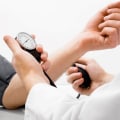
In today's fast-paced world, health awareness has emerged as a crucial component of personal well-being. It encompasses not only the knowledge of one’s own health status but also an understanding of how lifestyle choices, environmental factors, and genetic predispositions can influence overall health. By fostering a deeper awareness of these elements, individuals can take proactive steps towards improving their health outcomes and enhancing their quality of life.The significance of health awareness cannot be overstated. It serves as the foundation for making informed decisions about diet, exercise, and preventive care.
When individuals are aware of their health status, they are better equipped to recognize early signs of potential health issues, seek timely medical advice, and adhere to recommended treatments. This proactive approach not only helps in managing existing conditions but also plays a vital role in preventing future health complications.Moreover, understanding one’s health status fosters a sense of empowerment. Individuals who are knowledgeable about their health are more likely to engage in healthy behaviors and advocate for themselves within the healthcare system. This empowerment is essential in a society where healthcare options can be overwhelming and complex.
By prioritizing health awareness, people can navigate their health journeys with confidence, making choices that align with their personal goals and values.Ultimately, cultivating a culture of health awareness is not just beneficial for individuals; it has far-reaching implications for communities and healthcare systems as well. As more people become informed about their health, the collective impact can lead to reduced healthcare costs, improved public health outcomes, and a healthier society overall. In this article, we will explore various aspects of health awareness and its profound influence on personal well-being.
The Importance of Knowing Your Health Status
Understanding your health status is not merely a matter of curiosity; it is a fundamental aspect of maintaining and enhancing your overall well-being. The importance of health status cannot be overstated, as it serves as a critical indicator of your physical and mental condition.By being aware of your health status, you empower yourself to make informed decisions that can significantly impact your quality of life.One of the primary benefits of knowing your health status is the ability to detect potential health issues early. Regular assessments can reveal underlying conditions that may not present obvious symptoms initially. For instance, high blood pressure or elevated cholesterol levels can often go unnoticed until they lead to more severe complications, such as heart disease or stroke. By understanding these metrics, you can take proactive steps to manage or mitigate risks before they escalate.Moreover, being aware of your health status allows you to set realistic and achievable health goals.
Whether you aim to lose weight, improve your fitness level, or manage a chronic condition, having a clear picture of where you currently stand is essential. This awareness enables you to tailor your lifestyle choices—such as diet, exercise, and stress management—toward achieving those goals effectively.Additionally, health awareness fosters better communication with healthcare providers. When you have a comprehensive understanding of your health status, you can engage in more meaningful discussions with your doctor. This collaboration can lead to personalized treatment plans that align with your specific needs and preferences.In summary, knowing your health status is crucial for several reasons:
- Early Detection: Identifying potential health issues before they become serious.
- Goal Setting: Establishing achievable health objectives based on current conditions.
- Informed Decision-Making: Making educated choices about lifestyle changes and treatments.
- Enhanced Communication: Facilitating better dialogue with healthcare professionals.
By prioritizing an understanding of your health status, you lay the groundwork for a healthier future.
Key Indicators of Health Status
Understanding your health status is crucial for making informed decisions about your well-being. Various health indicators play a significant role in assessing this status, providing insights into potential health issues that may require attention. Here are some key indicators used in health assessments:- Physical Exams: Regular physical examinations by healthcare professionals are fundamental in evaluating overall health. These exams typically include checking vital signs such as blood pressure, heart rate, and respiratory rate, as well as assessing body mass index (BMI) and conducting a thorough physical assessment.
- Blood Tests: Blood tests are invaluable tools for measuring various health parameters.
They can reveal information about cholesterol levels, blood sugar levels, liver and kidney function, and the presence of certain diseases. For instance, a lipid panel can help assess cardiovascular risk, while a complete blood count (CBC) can provide insights into overall health and detect conditions like anemia or infection.
- Self-Evaluations: Self-assessment tools, such as health surveys and questionnaires, allow individuals to reflect on their health behaviors and symptoms. These evaluations can help identify areas of concern that may not be apparent during a physical exam. For example, mental health screenings can uncover issues like anxiety or depression that require further evaluation.
- Functional Assessments: Evaluating how well you perform daily activities is another critical aspect of measuring health status.
Functional assessments can include tests that gauge mobility, strength, and endurance. The 6-minute walk test is one such assessment that measures how far an individual can walk in six minutes, providing insight into cardiovascular fitness and overall endurance.
Regular Checkups: A Vital Component of Health Awareness
Regular medical checkups are a cornerstone of health awareness , serving as a proactive approach to maintaining well-being and preventing potential health issues.These visits allow healthcare providers to assess your overall health, identify any underlying conditions, and provide guidance tailored to your individual needs.One of the primary benefits of regular checkups is early detection. Many health conditions, such as hypertension, diabetes, and certain cancers, can develop silently without noticeable symptoms. By undergoing routine screenings and assessments, you increase the likelihood of catching these issues in their early stages when they are often more manageable. This proactive approach can significantly improve treatment outcomes and enhance your quality of life.During a typical checkup, you can expect a comprehensive evaluation that may include:
- Vital Signs Measurement: Your healthcare provider will check your blood pressure, heart rate, temperature, and respiratory rate to gauge your overall health.
- Physical Examination: A thorough physical exam allows the provider to assess your body for any abnormalities or signs of illness.
- Laboratory Tests: Blood tests may be conducted to evaluate cholesterol levels, blood sugar levels, liver function, and other critical markers that indicate your health status.
- Health History Review: Discussing your medical history, lifestyle choices, and family history helps the provider understand risk factors that may affect your health.
Healthcare providers can offer valuable insights into nutrition, exercise, stress management, and other lifestyle factors that contribute to overall wellness. This guidance empowers individuals to make informed decisions about their health.Moreover, establishing a routine of regular checkups fosters a strong relationship between patients and healthcare providers. This rapport encourages open communication about health concerns and promotes adherence to recommended screenings and preventive measures.In conclusion, prioritizing regular medical checkups is essential for anyone looking to enhance their health awareness. By taking this proactive step, you not only safeguard your current health but also pave the way for a healthier future.
Self-Monitoring and Health Tracking Tools
In today's fast-paced world, the integration of technology into health awareness has revolutionized how individuals monitor their health.Self-monitoring and health tracking tools empower users to take charge of their well-being by providing real-time data on various health metrics. These tools range from mobile applications to wearable devices, each designed to facilitate a deeper understanding of one’s health status.
Health Tracking Apps
- Mobile Applications: Numerous apps are available that allow users to log their daily activities, dietary habits, and vital signs. Popular options include MyFitnessPal for nutrition tracking and Fitbit for activity monitoring. These apps often feature user-friendly interfaces that make it easy to input data and visualize trends over time.
- Symptom Trackers: Apps like Symple enable users to record symptoms related to chronic conditions, helping them identify triggers and patterns.
This information can be invaluable during consultations with healthcare providers.
Wearable Devices
- Fitness Trackers: Devices such as the Fitbit or Garmin not only track physical activity but also monitor heart rate, sleep patterns, and even stress levels. By wearing these devices consistently, individuals can gain insights into their overall health and make informed lifestyle changes.
- Smartwatches: Beyond fitness tracking, smartwatches like the Apple Watch offer advanced features such as ECG monitoring and blood oxygen level checks. These capabilities allow users to keep a close eye on their cardiovascular health.
The Role of Technology in Health Awareness
The rise of telehealth has further enhanced the importance of self-monitoring tools. Patients can share their tracked data with healthcare professionals remotely, facilitating more personalized care.
This technology not only improves communication but also encourages patients to engage actively in their health management.Moreover, many health tracking tools come equipped with reminders and alerts that encourage users to stay on top of their health goals. For instance, reminders to take medication or prompts to engage in physical activity can significantly enhance adherence to treatment plans.In conclusion, self-monitoring and health tracking tools are essential components of modern health awareness. By leveraging these technologies, individuals can gain valuable insights into their health status, enabling them to make informed decisions that promote long-term well-being.
The Role of Mental Health in Overall Health Awareness
Understanding the intricate relationship between mental health and overall health awareness is essential for achieving a holistic view of well-being. Mental health is not merely the absence of mental illness; it encompasses emotional, psychological, and social well-being.It influences how we think, feel, and act, and it plays a significant role in how we handle stress, relate to others, and make choices. Therefore, mental health awareness is a critical component of overall health awareness.Research has consistently shown that mental health can significantly impact physical health. For instance, individuals experiencing high levels of stress or anxiety may be more susceptible to chronic conditions such as heart disease, diabetes, and obesity. Conversely, those with good mental well-being often enjoy better physical health outcomes.
This interconnection highlights the importance of addressing mental health as part of a comprehensive approach to health awareness.Several indicators can help assess mental well-being. These include:
- Emotional Resilience: The ability to cope with stress and bounce back from adversity.
- Social Connections: Quality relationships with family, friends, and community that provide support and belonging.
- Cognitive Function: The capacity for clear thinking, decision-making, and problem-solving.
- Mood Stability: The ability to maintain a balanced emotional state without extreme fluctuations.
- Self-Perception: How individuals view themselves and their self-esteem levels.
This cultural shift can lead to improved overall health outcomes as people become more attuned to their mental states and the impact they have on their physical health.In conclusion, integrating mental health into the broader conversation about health awareness is crucial. By understanding the vital role that mental well-being plays in our lives, we can foster healthier communities where individuals are equipped to thrive both mentally and physically.
Common Misconceptions About Health Status
Understanding your health status is crucial, yet many people hold misconceptions that can lead to confusion and misinformation. These myths can prevent individuals from taking proactive steps toward better health. Here, we will explore some of the most common misconceptions about health status and clarify the realities behind them.- Myth 1: You Can’t Be Healthy If You Don’t Feel Sick
Many believe that feeling fine equates to being healthy.However, numerous health conditions can exist without noticeable symptoms. For instance, high blood pressure or elevated cholesterol levels often go undetected until they lead to serious complications. Regular checkups are essential for identifying these hidden issues.
- Myth 2: Weight Is the Only Indicator of Health
While weight can provide some insight into health, it is not the sole determinant. Factors such as muscle mass, body composition, and metabolic health play significant roles.A person may appear healthy based on weight alone but could have underlying issues like diabetes or heart disease.
- Myth 3: Health Status Is Static
Some individuals think that once they achieve a certain level of health, it remains unchanged. In reality, health is dynamic and can fluctuate due to various factors including lifestyle choices, stress levels, and environmental influences. Regular monitoring is vital to adapt to these changes. - Myth 4: Only Older Adults Need to Worry About Their Health Status
Health awareness is important at every age. Young adults and even children can face health challenges that require attention.Early detection of issues like obesity or mental health disorders can lead to better outcomes in the long run.
- Myth 5: Supplements Can Replace a Healthy Diet
While supplements can support health, they should not be viewed as substitutes for a balanced diet. Whole foods provide essential nutrients that supplements cannot fully replicate. A well-rounded diet is fundamental for maintaining optimal health.
FAQs About Health Awareness and Status Monitoring
Understanding your health status and maintaining health awareness is crucial for making informed decisions about your well-being.Here are some frequently asked questions that can help clarify common concerns regarding health awareness and monitoring.
What is health awareness?
Health awareness
refers to the understanding of various aspects of health, including personal health conditions, risk factors, and the importance of preventive measures. It empowers individuals to take charge of their health by recognizing symptoms, seeking medical advice, and making lifestyle changes.
Why is monitoring my health status important?
Regularly monitoring your health status allows you to:- Detect potential health issues early, which can lead to more effective treatment.
- Track changes in your health over time, helping you identify patterns or triggers.
- Make informed lifestyle choices based on your current health metrics.
How often should I check my health status?
The frequency of health status checks can vary based on individual needs. Generally, it is recommended to have a comprehensive checkup at least once a year. However, those with chronic conditions or specific risk factors may need more frequent evaluations.Regular self-assessments, such as monitoring blood pressure or blood sugar levels at home, can also be beneficial.
What are some common methods for monitoring health?
There are several effective methods for tracking your health:- Medical checkups: Regular visits to healthcare providers for physical exams and screenings.
- Self-assessment tools: Utilizing surveys or questionnaires that evaluate your physical and mental well-being.
- Wearable technology: Devices like fitness trackers that monitor heart rate, activity levels, and sleep patterns.
- Home testing kits: Simple tests for cholesterol levels, blood glucose, and other vital markers that can be done at home.
How can I improve my health awareness?
Improving your health awareness involves:- Educating yourself about common health issues and preventive measures.
- Staying informed about your family medical history to understand potential risks.
- Engaging in regular discussions with healthcare professionals about your health concerns.
Conclusion: Empowering Yourself Through Health Awareness
In conclusion, the journey towards better health begins with a profound understanding of your own health status. Health awareness is not merely a buzzword; it is a vital component of proactive healthcare that empowers individuals to take charge of their well-being. By recognizing the nuances of your health, you can make informed decisions that significantly impact your quality of life.Throughout this article, we have explored the multifaceted nature of health status and its implications for overall wellness. From identifying underlying conditions to predicting future health challenges, being aware of your health status serves as a crucial tool in navigating the complexities of healthcare.Regular checkups and self-assessments are essential practices that allow you to stay attuned to your body’s signals and changes.Moreover, understanding your health status fosters a sense of responsibility and encourages you to engage in healthier lifestyle choices. Whether it’s adopting a balanced diet, incorporating regular physical activity, or managing stress effectively, each decision is influenced by your awareness of your current health condition. This proactive approach not only enhances your physical health but also contributes positively to your mental and emotional well-being.As we move forward in an era where healthcare is increasingly personalized, the importance of health awareness cannot be overstated. It equips you with the knowledge needed to advocate for yourself within the healthcare system, ensuring that you receive appropriate care tailored to your unique needs.
By prioritizing regular assessments and staying informed about your health metrics, you can mitigate risks and enhance your overall quality of life.Ultimately, empowering yourself through health awareness is about more than just avoiding illness; it’s about embracing a holistic approach to living well. As you cultivate this awareness, remember that every small step counts towards achieving optimal health. Take charge today—your future self will thank you.