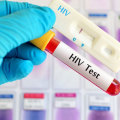
Health awareness is a vital concept that encompasses the understanding of health issues, the importance of preventive measures, and the promotion of healthy lifestyles. It serves as a bridge between knowledge and action, empowering individuals to make informed decisions about their health and well-being. By fostering a culture of health awareness, we can significantly reduce the prevalence of diseases, enhance quality of life, and ultimately create healthier communities.At its core, health awareness involves educating individuals about various health topics, including nutrition, exercise, mental health, and disease prevention. This education is crucial because it equips people with the necessary tools to recognize symptoms, seek medical advice when needed, and adopt healthier habits.
For instance, understanding the risks associated with smoking or poor dietary choices can motivate individuals to change their behaviors for the better.The significance of health awareness cannot be overstated. It plays a critical role in public health initiatives aimed at combating chronic diseases such as diabetes, heart disease, and obesity. When communities are informed about these issues, they are more likely to participate in screening programs, vaccination drives, and wellness activities. Furthermore, health awareness campaigns can help dismantle stigmas surrounding mental health and other sensitive topics, encouraging open discussions and support.In summary, understanding health awareness is essential for creating positive change within society.
It not only promotes individual responsibility but also fosters a collective effort towards improving public health outcomes. By prioritizing health education and awareness initiatives, we can pave the way for a healthier future for all.
The Role of Awareness in Public Health Initiatives
Raising awareness plays a pivotal role in the success of public health initiatives. These initiatives aim to improve health outcomes by educating communities about health risks, preventive measures, and available resources. When individuals are informed, they are more likely to engage in healthy behaviors and seek medical assistance when necessary.One notable example of an effective health campaign is the anti-smoking initiative.Over the years, various campaigns have highlighted the dangers of smoking through graphic advertisements, educational programs in schools, and community outreach efforts. These campaigns have significantly reduced smoking rates, demonstrating how awareness can lead to behavioral change. According to the Centers for Disease Control and Prevention (CDC), states that invested in comprehensive tobacco control programs saw a 50% reduction in smoking prevalence among adults.Another critical area where awareness has made a difference is in the fight against HIV/AIDS. Public health campaigns focusing on education about transmission methods, prevention strategies, and the importance of testing have been instrumental in reducing stigma and increasing testing rates.
For instance, the "Get Tested" campaign encouraged individuals to know their status, leading to earlier treatment and better health outcomes for those living with HIV.Moreover, awareness campaigns surrounding mental health have gained momentum in recent years. Initiatives like World Mental Health Day aim to educate the public about mental health issues, reduce stigma, and promote available resources. By fostering an environment where individuals feel comfortable discussing mental health, these campaigns encourage people to seek help and support.In conclusion, the connection between awareness and action is undeniable. Public health initiatives that prioritize raising awareness not only inform communities but also empower them to take charge of their health.
As we continue to face new health challenges, it is essential to leverage awareness as a tool for positive change.
Case Studies: Successful Health Awareness Campaigns
Health awareness campaigns have proven to be instrumental in transforming public health outcomes. By examining successful case studies, we can glean insights into effective strategies and their measurable impacts.1.The "Truth" Campaign
Launched in 2000, the Truth campaign aimed to reduce tobacco use among teenagers in the United States. This initiative utilized bold advertising and grassroots activism to challenge the tobacco industry's marketing tactics. By focusing on the manipulation and deceit of tobacco companies, the campaign resonated with young audiences.- Impact: The campaign is credited with a significant decline in youth smoking rates, dropping from 23% in 2000 to 9% in 2019.
- Strategy: Engaging storytelling and relatable messaging were key components, making the campaign not just informative but also emotionally compelling.
2.The Ice Bucket Challenge
The Ice Bucket Challenge , which went viral in 2014, raised awareness for amyotrophic lateral sclerosis (ALS).Participants poured ice water over themselves and challenged others to do the same while donating to ALS research.
- Impact: The campaign raised over $220 million for ALS research within a few months, significantly increasing funding for studies and awareness of the disease.
- Strategy: The challenge's viral nature leveraged social media platforms, encouraging participation from celebrities and everyday individuals alike.
3.Movember Foundation
The Movember Foundation focuses on raising awareness about men's health issues, particularly prostate cancer, testicular cancer, and mental health. Each November, men grow mustaches to spark conversations about these critical topics.- Impact: Since its inception in 2003, Movember has funded over 1,250 men’s health projects globally, leading to significant advancements in research and support services.
- Strategy: The use of humor and community engagement has made this campaign relatable and effective in breaking down stigmas surrounding men's health.
Challenges in Raising Health Awareness
Raising health awareness is a noble endeavor, yet it is fraught with numerous challenges that can hinder effective communication and outreach. Understanding these challenges is crucial for developing strategies that can effectively address them and promote better health outcomes.One of the most significant barriers to raising health awareness is societal stigma.Many health issues, particularly mental health conditions, are often surrounded by misconceptions and negative stereotypes. This stigma can discourage individuals from seeking help or discussing their experiences openly. For instance, people suffering from mental illnesses may fear being judged or ostracized, leading to silence and isolation. To combat this stigma, it is essential to foster an environment where open dialogue about health issues is encouraged and normalized.Another challenge lies in the prevalence of misinformation.
In the age of the internet and social media, false information can spread rapidly, often overshadowing credible sources. This misinformation can lead to confusion and mistrust among the public regarding health practices and recommendations. For example, myths surrounding vaccines have led to hesitancy in many communities, undermining public health efforts. To counteract misinformation, it is vital to provide clear, evidence-based information through trusted channels and engage with communities directly.Additionally, accessibility plays a crucial role in health awareness.
Many marginalized groups face barriers such as language differences, lack of resources, or limited access to healthcare services. These factors can prevent individuals from receiving vital information about their health. Tailoring awareness campaigns to meet the needs of diverse populations is essential for ensuring that everyone has the opportunity to learn about important health issues.Finally, the challenge of engagement cannot be overlooked. Capturing the attention of the public in a world filled with distractions requires innovative approaches.
Traditional methods of communication may not resonate with younger audiences who consume information differently. Utilizing social media platforms, interactive content, and community events can enhance engagement and make health awareness initiatives more effective.In conclusion, while raising health awareness presents several challenges—including stigma, misinformation, accessibility issues, and engagement difficulties—addressing these barriers head-on is essential for fostering a healthier society. By understanding these obstacles, we can develop targeted strategies that not only inform but also empower individuals to take charge of their health.
Strategies for Effective Health Awareness Campaigns
Creating impactful health awareness campaigns requires a strategic approach that encompasses effective communication, community engagement, and tailored messaging. Here are some practical strategies to consider:- Define Clear Objectives: Before launching a campaign, it is essential to establish clear, measurable objectives.
What specific health issue are you addressing? What outcomes do you hope to achieve? Setting defined goals will guide your campaign's direction and help assess its success.
- Understand Your Audience: Tailoring messages to resonate with specific demographics is crucial. Conduct research to understand the beliefs, values, and behaviors of your target audience. This insight will enable you to craft messages that are relevant and relatable.
- Utilize Multiple Communication Channels: Different audiences consume information through various platforms. Leverage a mix of traditional media (like newspapers and radio) and digital channels (such as social media, blogs, and websites) to maximize reach.
Each platform has its strengths; for instance, social media can facilitate real-time engagement while print media can provide in-depth information.
- Engage Community Leaders: Collaborating with local influencers or community leaders can enhance credibility and trust. These individuals often have established relationships within the community and can help disseminate your message more effectively.
- Create Interactive Content: Engaging your audience through interactive content—such as quizzes, polls, or workshops—can foster participation and retention of information. This approach not only educates but also empowers individuals to take action regarding their health.
- Monitor and Evaluate: Continuously assess the effectiveness of your campaign through feedback and analytics. This evaluation process allows for adjustments in real-time, ensuring that the campaign remains relevant and impactful.
The ultimate goal is to create a well-informed community that actively participates in promoting better health outcomes.
The Impact of Social Media on Health Awareness
In today's digital age, social media has emerged as a powerful tool for raising health awareness. Platforms such as Facebook, Twitter, Instagram, and TikTok provide unique opportunities to engage with diverse audiences, disseminate information quickly, and foster community discussions around health issues.One of the primary benefits of leveraging social media for health awareness is its ability to reach a vast audience. Unlike traditional media, which often has geographical limitations, social media transcends borders, allowing health organizations to connect with individuals from various backgrounds and demographics. This global reach can be particularly beneficial for campaigns aimed at addressing public health crises, such as pandemics or mental health awareness.Moreover, social media facilitates real-time engagement.Users can share their experiences, ask questions, and participate in discussions that promote understanding and empathy. For instance, campaigns that encourage individuals to share their personal health journeys can help destigmatize conditions like mental illness or chronic diseases. This peer-to-peer interaction not only raises awareness but also builds a supportive community.However, while the advantages are significant, there are also challenges associated with using social media for health awareness. Misinformation can spread rapidly on these platforms, leading to confusion and fear among the public.
It is crucial for health organizations to establish credibility by providing accurate information and addressing misconceptions promptly.Additionally, the effectiveness of digital campaigns often hinges on the quality of content shared. Engaging visuals, relatable stories, and clear calls to action can enhance user interaction and encourage sharing. Health campaigns that utilize infographics or short videos tend to perform better than those relying solely on text-based posts.In conclusion, social media serves as a double-edged sword in the realm of health awareness. When used effectively, it can amplify messages and foster community engagement; however, it also requires vigilance against misinformation.
By harnessing the strengths of these platforms while remaining aware of their pitfalls, health advocates can create impactful digital campaigns that resonate with audiences and drive positive change.
Measuring the Effectiveness of Health Awareness Efforts
Measuring the effectiveness of health awareness campaigns is essential for understanding their impact and guiding future initiatives. Without proper evaluation, organizations may struggle to determine whether their efforts are yielding the desired results. Here are several key metrics and evaluation methods that can help assess the success of these campaigns.1.Pre- and Post-Campaign Surveys
One of the most effective ways to measure the impact of a health awareness campaign is through surveys conducted before and after the initiative. These surveys can gauge changes in knowledge, attitudes, and behaviors related to health issues.For instance, if a campaign aims to raise awareness about diabetes, pre-campaign surveys can establish a baseline understanding among participants, while post-campaign surveys can reveal any shifts in awareness or behavior.
2.Engagement Metrics
Engagement metrics provide insight into how well the campaign resonated with its target audience. Key indicators include:- Social Media Interactions: Likes, shares, comments, and overall reach on platforms like Facebook, Twitter, and Instagram can indicate public interest and engagement.
- Website Traffic: An increase in visits to a campaign's website or specific landing pages can signal heightened interest in the health topic being addressed.
- Email Open Rates: For campaigns utilizing email marketing, tracking open rates and click-through rates can help assess how effectively the message was communicated.
3.Behavioral Changes
Ultimately, the goal of health awareness campaigns is to inspire behavioral change. Organizations should track specific actions taken by individuals as a result of the campaign. This could include:- Increased participation in health screenings or vaccinations.
- Higher rates of individuals seeking medical advice or information about health issues.
- Changes in lifestyle choices, such as improved diet or increased physical activity.
4.Long-Term Impact Assessment
While immediate metrics are valuable, assessing long-term impact is crucial for understanding sustainability.Follow-up studies conducted months or even years after a campaign can reveal whether changes in knowledge and behavior have been maintained over time.In conclusion, measuring the effectiveness of health awareness campaigns requires a multifaceted approach that includes surveys, engagement metrics, behavioral tracking, and long-term assessments. By employing these methods, organizations can not only evaluate their current efforts but also refine their strategies for future initiatives, ultimately leading to more effective health communication and positive change in communities.
Future Trends in Health Awareness Initiatives
As we look to the future of health awareness initiatives, several emerging trends and innovations are poised to reshape how we approach public health challenges. These advancements not only enhance our understanding of health issues but also empower communities to take proactive steps towards better health outcomes.1.Digital Health Technologies
The integration of digital technologies into health awareness campaigns is becoming increasingly prevalent. Mobile applications, wearable devices, and telehealth services are revolutionizing how individuals access health information and services.For instance, apps that track personal health metrics can provide users with tailored advice and reminders, fostering a more engaged and informed public.
2.Social Media Engagement
Social media platforms are emerging as powerful tools for disseminating health information. Campaigns that utilize platforms like Instagram, Twitter, and Facebook can reach vast audiences quickly and effectively. By leveraging influencers and community leaders, health organizations can create relatable content that resonates with diverse demographics, making health awareness more accessible.3.Community-Based Approaches
Future initiatives are likely to emphasize community involvement in health awareness efforts. By engaging local leaders and organizations, public health campaigns can be tailored to address specific community needs and cultural contexts.This grassroots approach not only fosters trust but also encourages collective action towards improving community health.
4.Personalized Health Messaging
As data analytics become more sophisticated, the ability to deliver personalized health messages will improve significantly. Tailoring information based on individual risk factors, preferences, and behaviors can enhance the effectiveness of health campaigns. This targeted approach ensures that the right message reaches the right audience at the right time.5.Focus on Mental Health Awareness
The growing recognition of mental health as a critical component of overall well-being is driving new initiatives aimed at raising awareness about mental health issues. Future campaigns will likely incorporate mental wellness into broader health discussions, reducing stigma and encouraging open conversations about mental health challenges.In conclusion, the future of health awareness initiatives is bright, characterized by innovative strategies that leverage technology, community engagement, and personalized messaging.By embracing these trends, we can create a more informed public that is better equipped to tackle ongoing and emerging public health challenges.